Boozhoo, Friends—
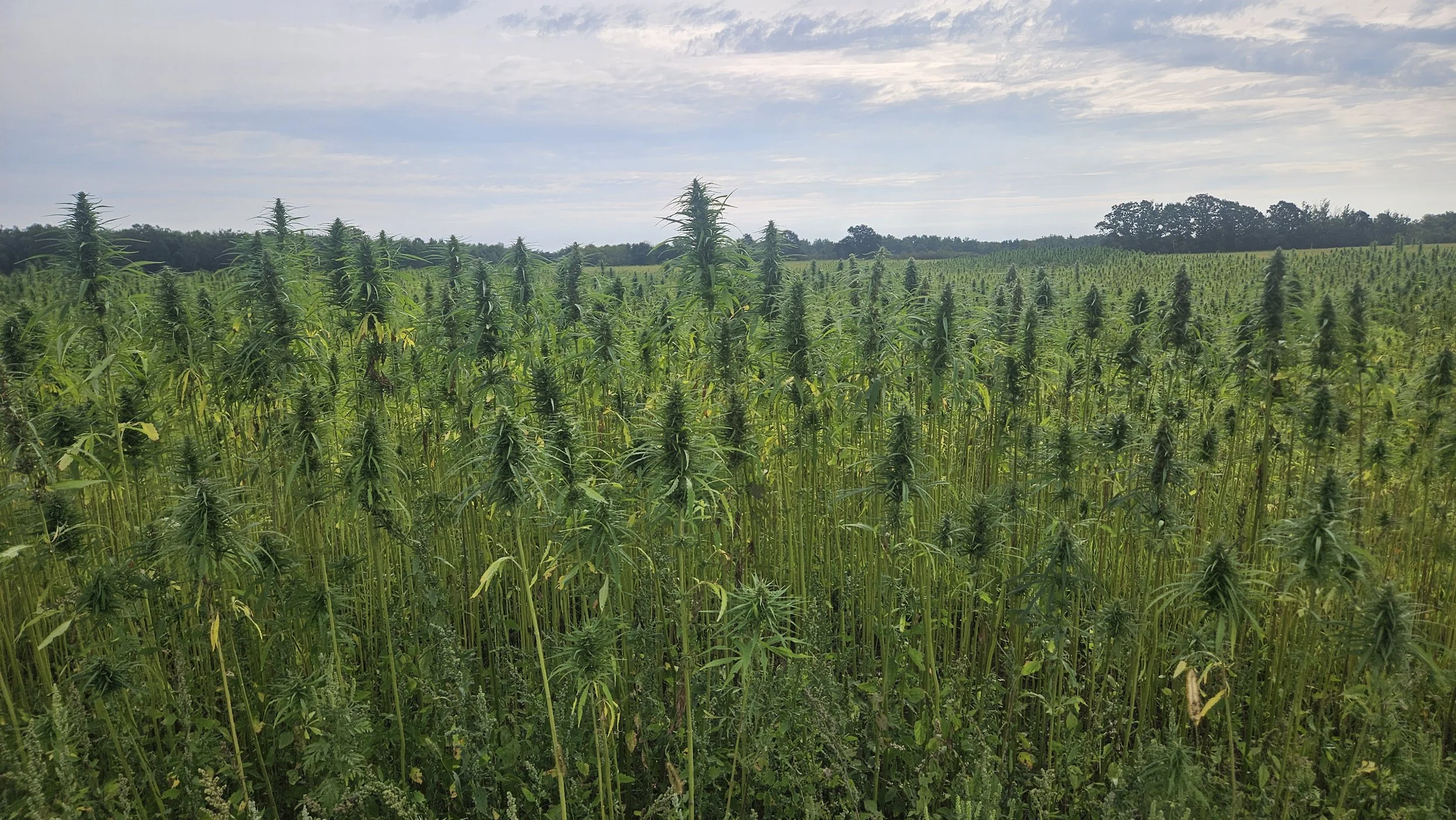
Fall has arrived in the North Country. Dagwaagin bi dagoshin. The wild rice is in our pantries, the hemp is coming out of the fields, and across our communities we are continuing the work of restoring local economies that take care of the land and the people.
There is a lot happening, from the resilient and pristine lakes of northern Minnesota to conversations about hemp in New York City. I wanted to share a few updates from the work and remind you of something else important this fall: it is time to vote.
MANOOMIN: FOOD, CULTURE AND OUR RELATIONSHIP WITH THE WATER
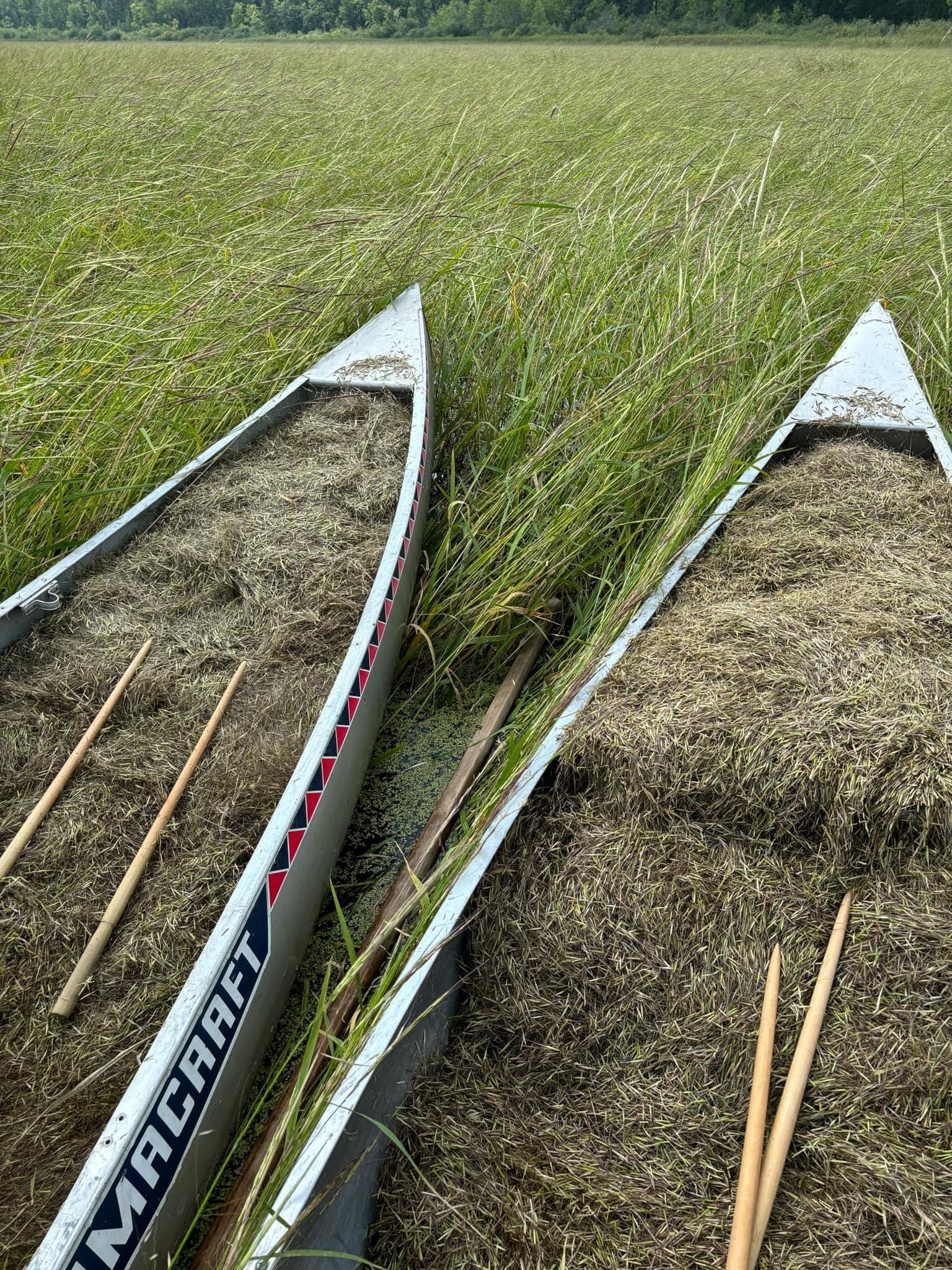
Wild rice is more than food. It is culture, community, and a relationship with the land and water. For generations, Anishinaabe families have gone onto the lakes in canoes, gently knocking the rice into the boat and returning home to parch, dance, winnow and finish this sacred food.
Every bag of wild rice carries a story.
Today, Manoomin and the waters that sustain it face growing pressures from industrial development, climate change and proposed mining projects in some of Minnesota's most water-rich landscapes like the Tamarack Mine. Protecting wild rice means protecting clean water, treaty rights, traditional economies and a way of life that has endured here for generations.
White Earth Anishinaabeg harvested an abundance of traditionally gathered manoomin this season, and most of that is processed on our reservation.
We have a select amount for sale, and you can Purchase Wild Rice here.
FROM WHITE EARTH TO NEW YORK CITY: HEMP, HERITAGE & THE FUTURE
Earlier this fall, I traveled to New York City for the 2026 NIHC Global Industrial Hemp Fiber Summit at the Fashion Institute of Technology.
I am an organizer for the Indigenous Hemp Cooperative, a group working with tribal hemp farmers and our allies across North America to revitalize a hemp economy as a solution to carbon sequestration, housing, and the toxicity of the materials economy. Our work is in textiles, remembering that the word canvas came from cannabis.
One of our co founders, Ira Vandever, a Dine man from Cubero New Mexico joined me along with our colleague Hunter Buffington to talk about how Native people are growing and building with hemp, and we want to scale this to change our collective future.
Our message was straightforward: Indigenous people have been working with this plant for a long time, and now want to be a part of the emergent hemp economy, from the seed to the blanket or the house. We have the land, and the people.
Hemp gives us an opportunity to rethink how we grow things, how we manufacture things and who benefits from the economy we build. We can grow fiber instead of extracting more petroleum. We can manufacture locally and restore regional textile, housing and food economies.
For us, hemp has never been about chasing the next commodity. It is part of a larger vision for a post-petroleum economy rooted in land, local production and Indigenous ownership. It’s about having a seat at the table, not on the menu.
And we are putting that vision into practice at home.
FROM SEEDS TO HOMES: BUILDING WITH HEMP
One of the most exciting pieces of our hemp work is turning what we grow into something our communities desperately need: homes..
At the Anishinaabe Agriculture Institute we have been developing the knowledge, crops and infrastructure needed to use industrial hemp for building materials.
We have already built and experimented with hemp structures, hosted hempcrete workshops and worked with partners on healthy Indigenous housing. Now the goal is larger: connect the pieces of an Indigenous-controlled supply chain.
Grow the hemp here. Process it here. Train people here. Build with it here.
Northern Native communities need housing. They also need good jobs and locally owned economic opportunities. Instead of treating those as separate problems, we can begin solving them together.
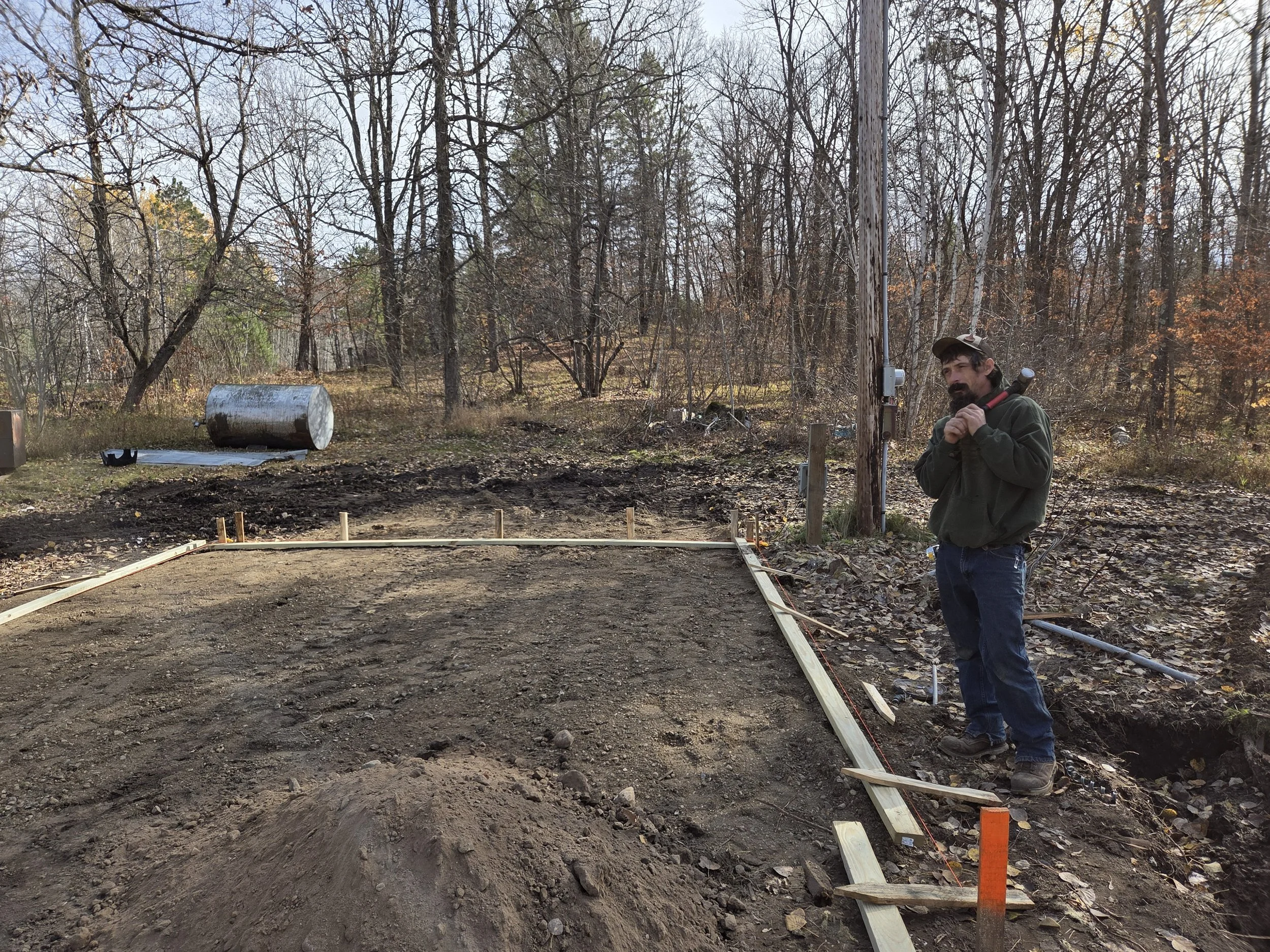
We are working on our first hempcrete house. It’s called Nokomis One, and it’s for an Anishinaabe grandmother, Karen Fineday. We have many grandmothers in our villages and communities who need housing, and this project is about that work, providing a transition from tribal trailers into hempcrete houses, which are mold resistant, fire retardant and a much more durable structure for the winters ahead.
SUPPORT THE HEMP & HOUSING WORK
THIS FALL, MAKE YOUR VOICE HEARD
It’s a time to remember that Native people are patriots to this land, not a flag and it’s a time for us all to remember that we need to protect our water, land and future generations.
It’s time to vote, because we can. No Kings, No Cowards and as my former Green Party Presidential running mate, Ralph Nader reminds me, Democracy is not a spectator sport. Be there, and be present for the generations ahead.
THE WORK CONTINUES
These projects may look different from one another—protecting Manoomin, growing hemp, building houses, creating renewable energy and strengthening participation in our communities—but to me they are connected.
They are about determining what kind of future we want- ji misawaabandaaming, or positive windowshopping for our future, as we would say.
For Anishinaabe people, the Seventh Fire prophecy tells us of a time when we will come to a fork in the path. One is well worn but scorched. The other is green and not well traveled.
We know which road we will take.
Thank you for walking it with us, for purchasing our food and products, for supporting the organizations doing this work, and for continuing to stand with our communities.
Miigwech,
Winona LaDuke
Learn more about the threats facing Minnesota's wild rice and headwaters:
Read the Minnesota Women's Press article
