Akiing: Land Back Initiative
Akiing has deep roots in land restoration, built on the legacy of the White Earth Land Recovery Project, which began in 1983 to reclaim lands taken illegally during the Nelson Act and the rise of the Weyerhaeuser empire. Founded in 2019, Akiing focused on purchasing land outside the reservation, specifically in the 1855 treaty territory, to support the restoration of Anishinaabe culture and economy. Akiing's first land purchases, in Hubbard and Aitken Counties, laid the groundwork for crucial water protection work around the proposed Enbridge Line 3 Pipeline. The land in Hubbard County was donated to the Switchboard Trainers Network in 2019 for an educational camp, and became Namewag, an educational camp, while the second parcel became the Welcome Water Protector Center near Palisade, supporting Indigenous-led efforts to protect water rights. Akiing’s next focus was restoring the traditional Anishinaabe economy through agricultural land near our reservation. With the help of donors like the Taintachi Foundation, One Earth CERES Trust, and Do Our Part, Kalleopeia and other individual donors, we secured land and buildings for solar thermal manufacturing, the Anishinaabe Agriculture Institute, and an emergent Hemp cooperative.
Pine Point Expansion In 2025
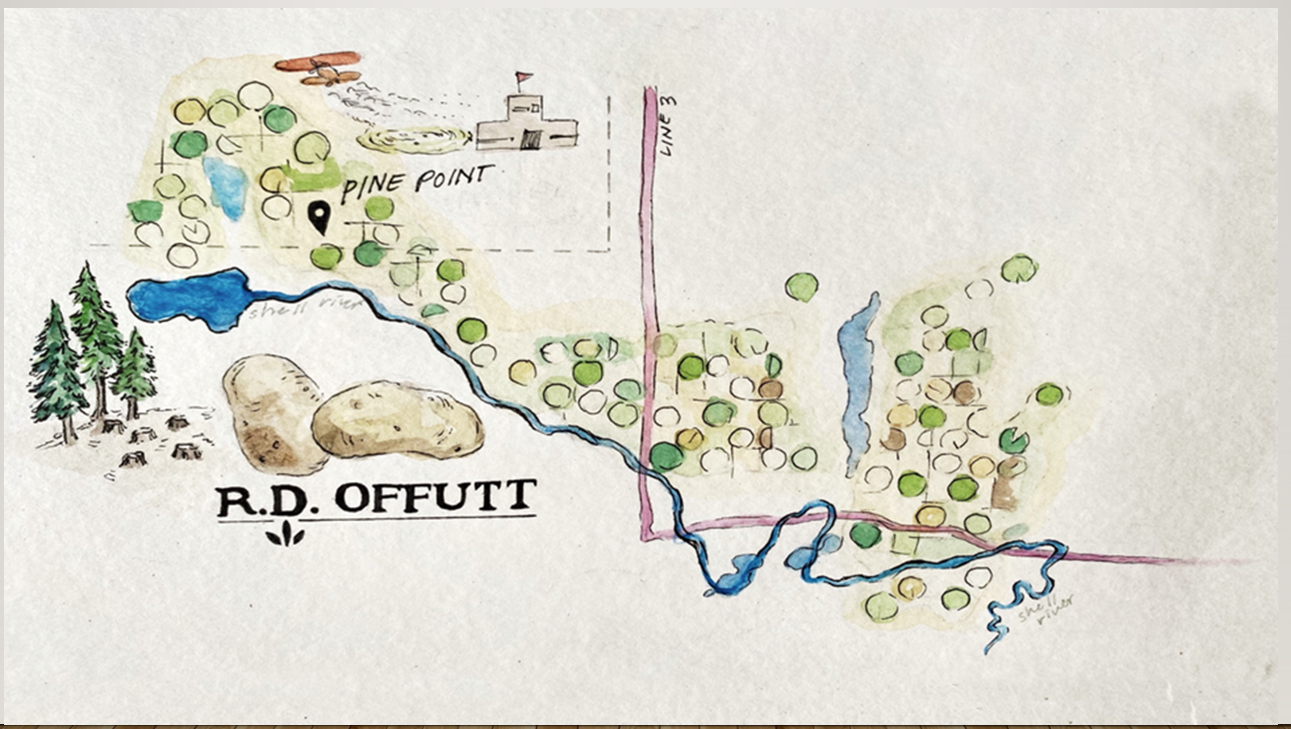
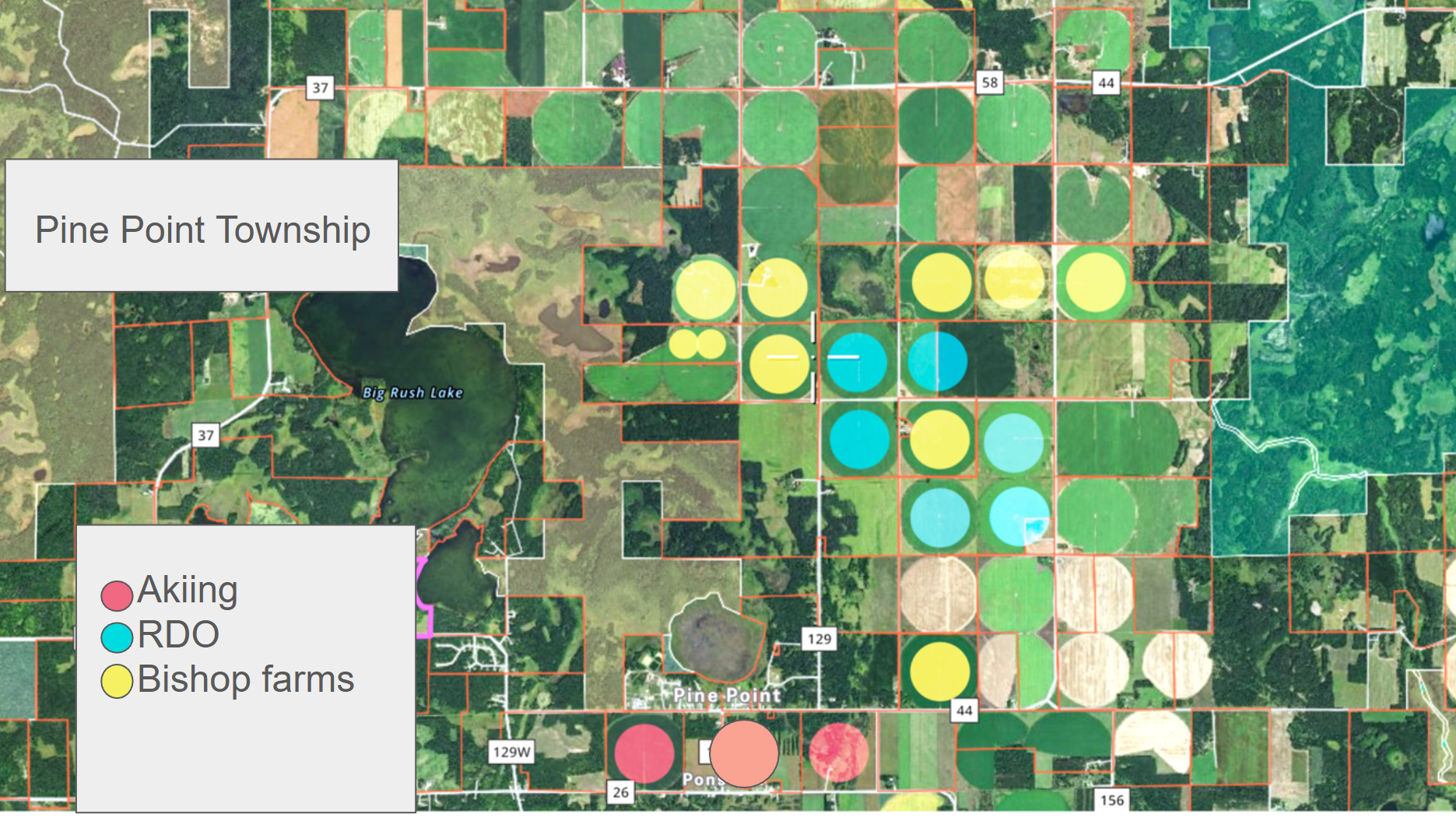
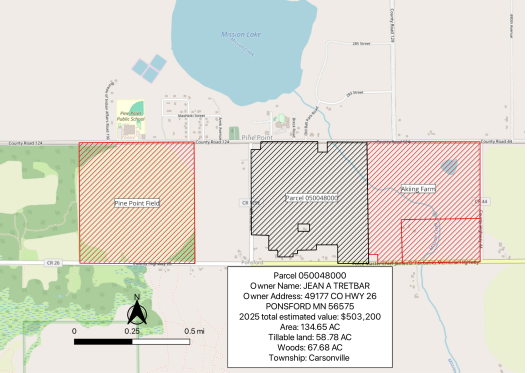
Akiing deepened work in the village of Pine Point, collaborating with the Pine Point Community Council in both the development of the Pine Point Solar Project/Resilience hub and also the development of long-term strategic planning for the village for resilience and well-being. Our village suffers from a great deal of trauma, from both our historic abuse, and our present challenges of the onslaught of industrial agriculture/ potato farming surrounding our village. As a way to challenge that, Akiing, working with sister organization Anishinaabe Agriculture, has purchased lands on the south side of the village, just off the reservation border. This includes s, the offices of Anishinaabe Agriculture and the Indigenous Hemp Cooperative, lands which are farmed that were formerly owned by RDO Offutt, the industrial potato farmer, and now new lands we are planning to purchase which will double our land holdings and allow us to expand our farm work. This consolidates land holdings, and protects the village from more industrial agriculture exposure while allowing us to build and restore sustainable agriculture.
Akiing was born of these times, our organizations and our community. Akiing, or the land to which the people belong, is a four-year-old organization, we intend to grow into a strategic regional initiative in the Great Lakes region. We are requesting support for strategic planning and capacity building as well as the development of our initial set of pilot projects in renewable energy, hemp and land trust development. We need to create the legal and organizational structures to carry out our responsibilities to our land and future generations. Our request is for $400,000 a year for two years.
Our work is focused on the Anishinaabe prophecy of the 7th Fire which speaks of a time when our people will have a choice between two paths: one well-worn and scorched, the other green. We are told to choose the green path and light the 8th fire. This project outlines the green path, based on Indigenous values and economics, the Rights of Nature, as well as the creation of collaborative land conservancy work.
Background:
We have lived here for ten thousand years. Anishinaabe economics defines a way of life based on Minobimaatisiiwin, the Good Life. In the terms of modern economic analysis, this would equate to Gross National Happiness indexing, and remains a foundational model for Indigenous economics. Wealth is not defined in dollars or beaver pelts, yet the appropriation of our wealth has caused us material and spiritual poverty. The land and water of Akiing supports a generous economy of wild rice, maple syrup, fisheries, farming and land based economics with value added processing . We see the clear wisdom of this economic model, and the potential to work regionally to support this work, as well as the innovations of renewable energy and light manufacturing. Indeed, we see that the regional model is the essential model for the next economy- from regional hemp value added materials , manufacturing,, to food systems and energy systems.
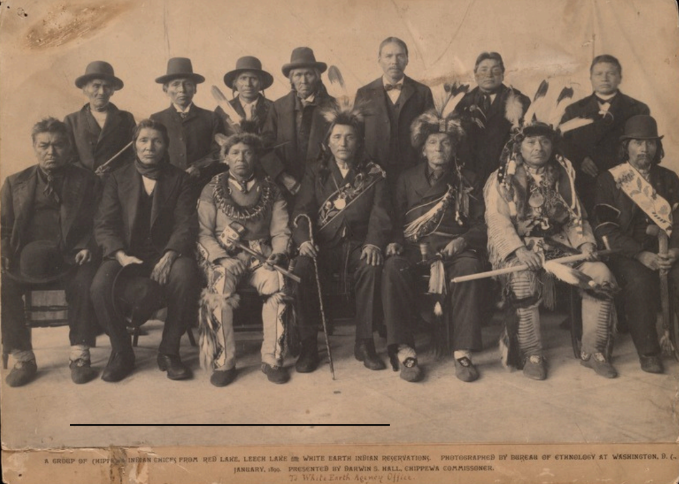
Our history is full of trade, and regional in nature, manifested in many ways by the treaties and the voice of Indigenous leaders like Louis Riel, the Metis patriot, who was elected to the provincial government of Manitoba, advocating for a multi racial democracy. He was ahead of his time, hung for treason. Throughout the ensuing century, much was taken from our people, yet we remain, with seven large reservations in northern Minnesota, many more throughout Akiing and a vision.
In the l960s and l970s, persecution of our people continued and the influx of industrial infrastructure into the north expanded, bringing pipelines, logging and the beginning of industrial agriculture to our region, as well as federal policies which began to move from termination to self determination. One half of our tribal members now live off reservation, as a result of these policies and repression.
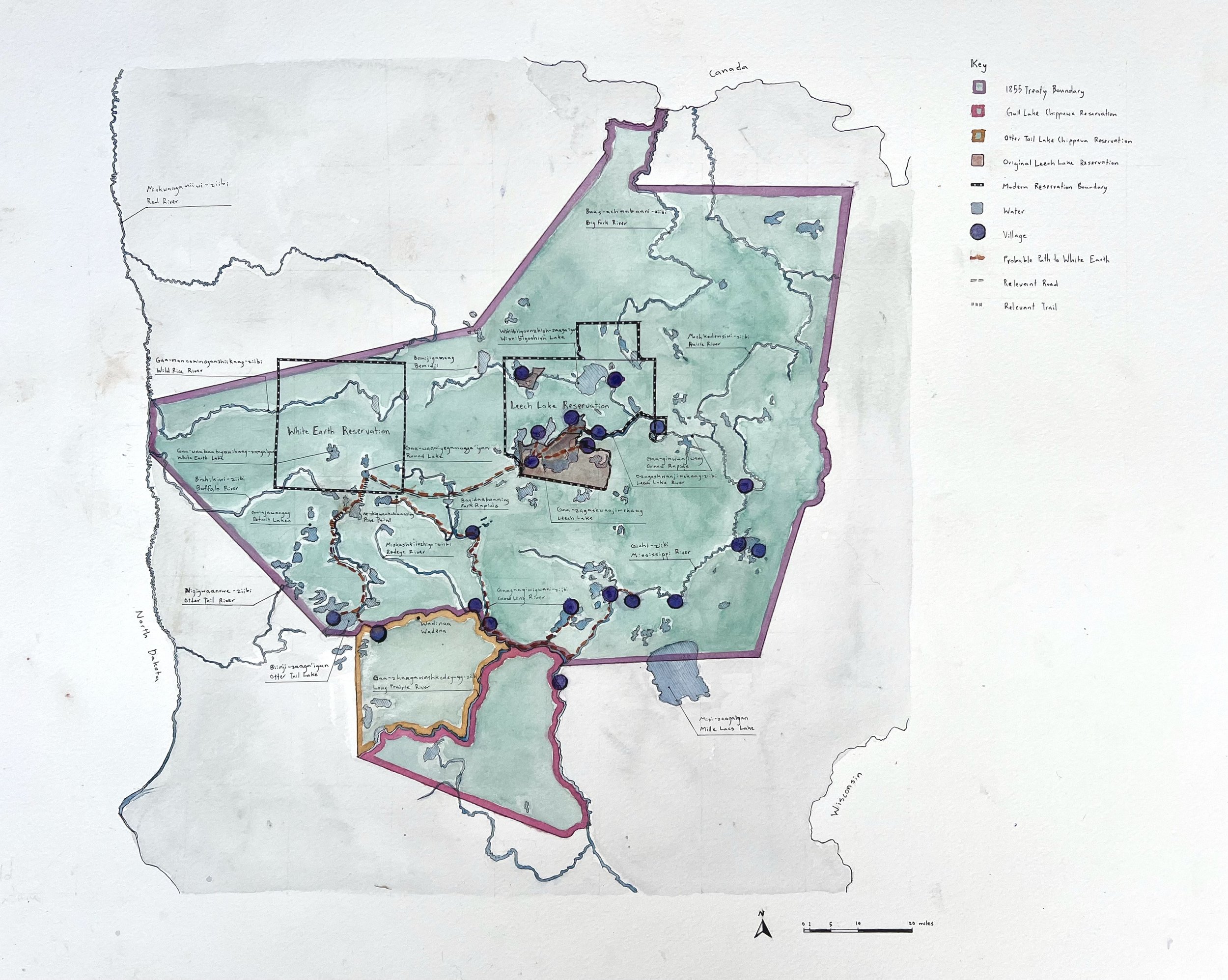
The resistance of Anishinaabe people to the assaults on our wild rice, our lands, and our waters continued to grow, and legal cases by the end of the 20th century reaffirmed the rights of the Anishinaabe to the l837, 1854 and l842 treaty territories. Work to protect the l855 treaty territory continued, and the emergence of the non profit advocacy sector on White Earth reservation with the White Earth Land Recovery Project and later Akiing grew. In the late l980s, we began to change our economy, not only with the advent of tribal gaming, but also with the restoration of value added control over our wild rice economy; and land restoration. We formed organizations like the White Earth Land Recovery Project and began to purchase back land within the reservation borders, now holding a former elementary school, maple sugar bush, wild rice processing facility and l500 acres. New organizations emerged regionally. Food sovereignty work has grown deeply Today Anishinaabe Agriculture continues work to restore food systems and heritage varieties, particularly, corn, beans, squash, potatoes, Jerusalem artichokes and tobacco. Our work is focused on post petroleum agriculture and horse based farming operations. We grow and train youth and horses. We have over two decades of experience in farming and in regional food system work. And in 2016, we completed an integrated Food Sovereignty Plan for the Mille Lacs band of Anishinaabe outlining a strategic plan involving food sheds, integrated agriculture programs and access to significant markets in the Twin Cities and elsewhere.
The battles over Line 3, as well as the Enbridge Sandpiper, and mining projects like Polymet and Twin Metals pushed again into our territories, and Honor the Earth, as one of many organizations rose to the occasion and mounted significant resistance to the Enbridge invasion supporting grassroots education, outreach and resistance. There are tens of thousands of Water Protectors who joined us on the ground, and during the course of this battle, Honor the Earth our sister organization, has developed one of the largest climate justice and just transition followings regionally and nationally. We intend to use this political and social power for transformation. People deserve a green future. That’s this plan. And in this work, based on the tears, victories and earned trust ,we deepened our allies and our collective commitment to the transformation necessary to protect our future generations. This work honors that commitment.